
Mediation & Conflict Resolution
Finding Common Ground. Moving Forward Together.
Conflict happens. Whether it's between neighbors, family members, coworkers, or community members, unresolved disagreements can create stress, strain relationships, and make moving forward difficult.
At Peninsula Conflict Resolution Center, we help people navigate conflict through constructive conversations that encourage understanding, cooperation, and practical solutions. Mediation provides a supportive, impartial space where people can share their perspectives, explore options, and work toward mutually acceptable agreements.
-
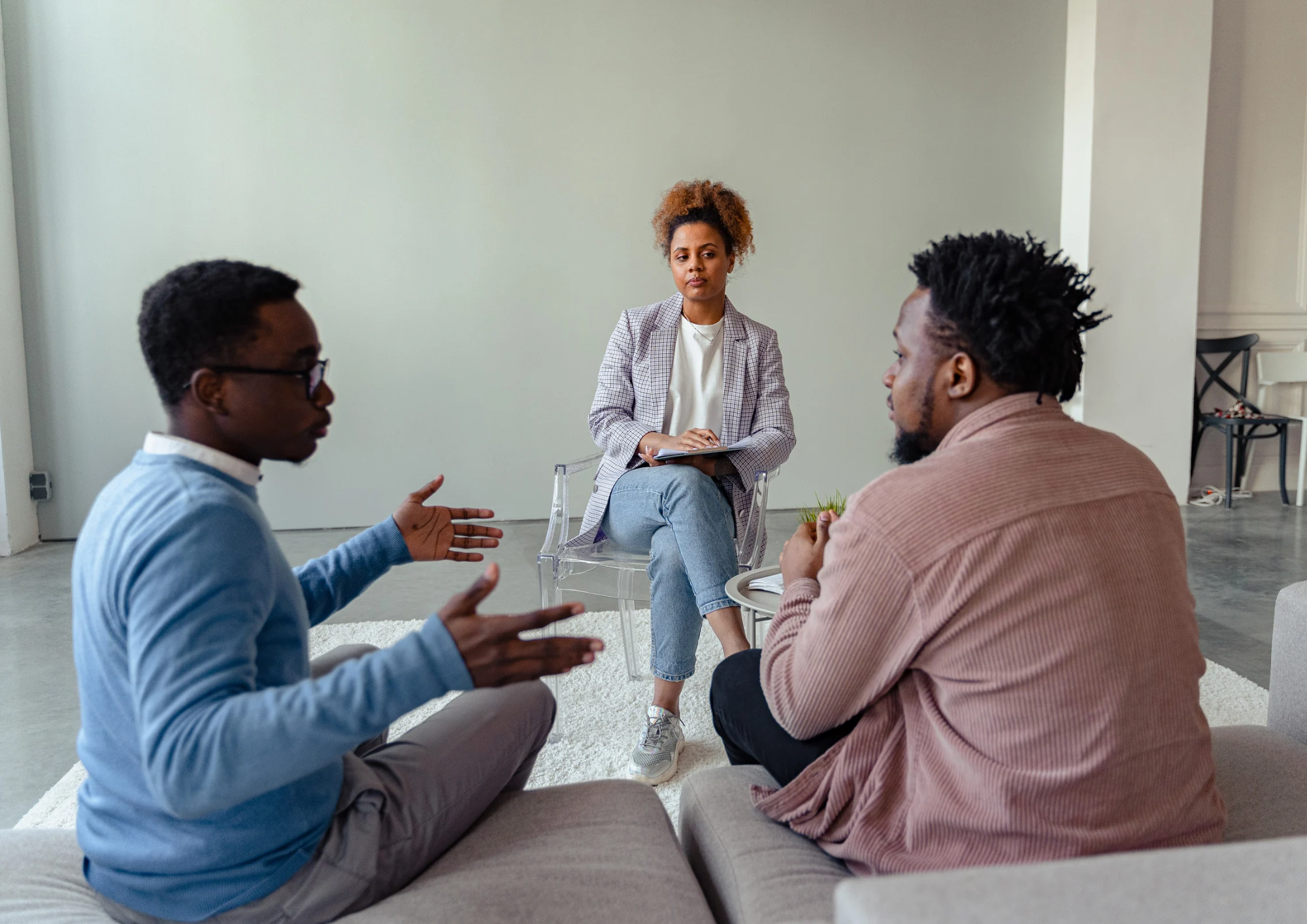
Mediation is a collaborative process in which a trained, impartial mediator helps people communicate, better understand one another's concerns, and explore possible solutions. Unlike a judge or arbitrator, a mediator does not decide who is right or wrong or impose a solution. Instead, the people involved guide the conversation and make their own decisions.
Mediation creates an opportunity to move beyond positions and disagreements toward greater understanding and shared solutions.
-
Not every disagreement needs to become a bigger conflict. Mediation can help when communication has broken down, tensions are growing, or people are struggling to find a way forward.
Common situations include:
Neighbors & Communities: Noise concerns, property-related disagreements, shared spaces, and neighborhood tensions.
Families & Relationships: Communication challenges, ongoing disagreements, and difficult family decisions.
Workplaces & Organizations: Interpersonal conflicts, communication breakdowns, and strained professional relationships.
Community Groups: Disagreements involving shared responsibilities, expectations, or relationships.
Whether a conflict is new or has been building over time, mediation offers an opportunity to address concerns before they escalate.
-
Every situation is different, and our approach is tailored to the people and circumstances involved.
1. Connect With PCRC
Tell us about your situation. We'll help determine whether mediation may be an appropriate option.
2. Prepare for the Conversation
Our team works with the participants to understand the concerns involved and discuss next steps.
3. Participate in Mediation
With the support of a trained mediator, participants have an opportunity to share their perspectives, listen to one another, and explore possible solutions.
4. Identify a Path Forward
When common ground is found, participants can work toward mutually acceptable agreements and identify steps for moving forward.
-
Rooted in Community. Guided by Experience.
Since 1986, PCRC has helped individuals and communities throughout San Mateo County navigate conflict and find constructive ways forward.
Our approach is grounded in listening, impartiality, respect, and the belief that people can play an active role in resolving their own disagreements.
Community-Centered: We understand that conflicts happen within relationships, neighborhoods, and communities.
Impartial & Respectful: We create space for different perspectives without taking sides.
Collaborative: We help participants explore solutions that reflect their needs and circumstances.
Responsive: We recognize that no two conflicts are the same and tailor our approach accordingly.
-
Do both parties need to participate?
Mediation generally requires the willingness of the people involved to participate in the process.
Will the mediator decide who is right or wrong?
No. The mediator's role is to guide the conversation impartially, not to make decisions for participants. The participants collaboratively develop their agreement.
Is mediation confidential?
Confidentiality is an important consideration in mediation. PCRC will explain the confidentiality provisions and any applicable limitations before the process begins.
What if we don't reach an agreement?
Not every mediation results in an agreement. Even when an agreement isn't reached, the process may help participants better understand the issues and explore possible next steps.
How long does mediation take?
The time needed depends on the nature and complexity of the conflict, the number of participants, and the issues being discussed.
How much does mediation cost?
Fees and eligibility for funded mediation services may vary depending on the circumstances and available programs. Contact PCRC to learn more about your options.
Beyond Resolving Disputes
Mediation as a Pathway to Peacebuilding
At PCRC, mediation is about more than reaching an agreement. It's about creating opportunities for understanding, strengthening relationships, and preventing conflict from causing further harm.
Through mediation, participants have opportunities to:
Improve communication and understanding.
Address concerns before they escalate.
Explore practical, mutually acceptable solutions.
Rebuild trust and strengthen relationships.
Develop skills for navigating future disagreements.
Contribute to healthier, more connected communities.
These opportunities are central to our commitment to peacebuilding and community well-being.