
Strengthening Relationships. Repairing Harm. Building Peace.
Healthy relationships are the foundation of strong communities. When conflict or harm occurs, there is an opportunity to deepen understanding, strengthen accountability, and create meaningful change.
At Peninsula Conflict Resolution Center (PCRC), we use restorative practices and conflict transformation to help individuals, organizations, and communities build trust, navigate challenges, and develop healthier ways of relating to one another.
Our approach is both proactive and responsive—strengthening relationships before conflict arises and creating opportunities for understanding, accountability, and healing when harm occurs.
Restorative Practices and Conflict Transformation
-
Restorative practices are relationship-centered approaches that help people build connections, strengthen trust, and respond constructively when conflict or harm occurs.
Rather than focusing solely on rules, consequences, or punishment, restorative practices encourage people to consider:
What happened?
Who was affected and how?
What needs to happen to address the harm?
How can we move forward in a meaningful and responsible way?
Restorative practices recognize the importance of both individual accountability and collective responsibility in creating healthier, more connected environments.
-
Moving Beyond the Immediate Conflict
Conflict transformation recognizes that conflict is often connected to deeper experiences, relationships, patterns, and circumstances.
While conflict resolution focuses on addressing a particular disagreement, conflict transformation explores opportunities to change the conditions and behaviors that contribute to recurring conflict.
Through education, reflection, dialogue, and skill development, PCRC helps participants explore healthier ways of responding to challenges and building relationships.
This approach is central to our commitment to long-term peacebuilding.
-
Restorative practices can be integrated into everyday interactions, organizational culture, and responses to conflict or harm.
Schools & Educational Communities
Strengthen school climate, foster belonging, support student and educator relationships, and develop constructive alternatives to punitive responses.
Youth & Families
Build communication skills, strengthen relationships, encourage accountability, and support healthy social and emotional development.
Neighborhoods & Communities
Create opportunities for dialogue, strengthen community connections, address harm, and rebuild trust among community members.
Workplaces & Organizations
Foster healthier organizational cultures, address strained relationships, strengthen accountability, and encourage constructive responses to conflict.
Justice & Public Safety Settings
Support personal growth, conflict transformation, accountability, and the development of skills that contribute to healthier relationships and successful community reintegration.
-
Restorative practices are not limited to responding to conflict. They can be incorporated into everyday interactions to strengthen relationships and prevent harm.
Building Relationships
Create opportunities for connection, meaningful participation, mutual understanding, and a sense of belonging.
Preventing Harm
Develop communication skills, shared expectations, and constructive approaches to addressing concerns before they escalate.
Responding to Conflict
Create structured opportunities for people to express their experiences, understand the impact of their actions, and explore ways forward.
Repairing Harm
Support meaningful accountability, rebuilding trust where possible, and identifying steps toward healing and positive change.
-
No two situations, organizations, or communities are alike. PCRC works collaboratively with clients and partners to develop approaches that reflect their unique needs and goals.
1. Understand Your Needs
We begin by learning about your community, organization, challenges, and desired outcomes.
2. Develop a Tailored Approach
Together, we identify restorative strategies, learning opportunities, or facilitated processes that are appropriate for your circumstances.
3. Engage in Meaningful Practices
Participants engage in guided dialogue, reflection, relationship-building activities, or skill development designed to support their needs.
4. Strengthen Long-Term Capacity
We help participants develop tools and approaches they can continue applying to strengthen relationships, navigate conflict, and prevent future harm.
-
Relationship-Centered. Community-Driven. Grounded in Experience.
For 40 years, PCRC has worked alongside individuals, schools, organizations, and communities to navigate conflict and strengthen relationships.
Our restorative approach draws on experience in mediation, facilitation, training, youth development, community engagement, and conflict transformation.
Relationship-Centered: We recognize that strong relationships are essential to individual and community well-being.
Accountability & Dignity: We encourage meaningful responsibility while respecting the dignity of everyone involved.
Culturally Responsive: We recognize the importance of people's experiences, backgrounds, and community contexts.
Prevention-Focused: We help build skills and strengthen relationships before challenges escalate.
Collaborative & Adaptable: We develop approaches that reflect the unique needs of those we serve.
-
Are restorative practices only used after harm has occurred?
No. Restorative practices can be used proactively to build relationships, strengthen trust, foster belonging, and prevent conflict.
What is the difference between restorative practices and restorative justice?
Restorative practices encompass a broad range of proactive and responsive approaches to strengthening relationships and addressing harm. Restorative justice focuses more specifically on responding to harm through accountability, meaningful participation, and opportunities for repair.
What is a restorative circle?
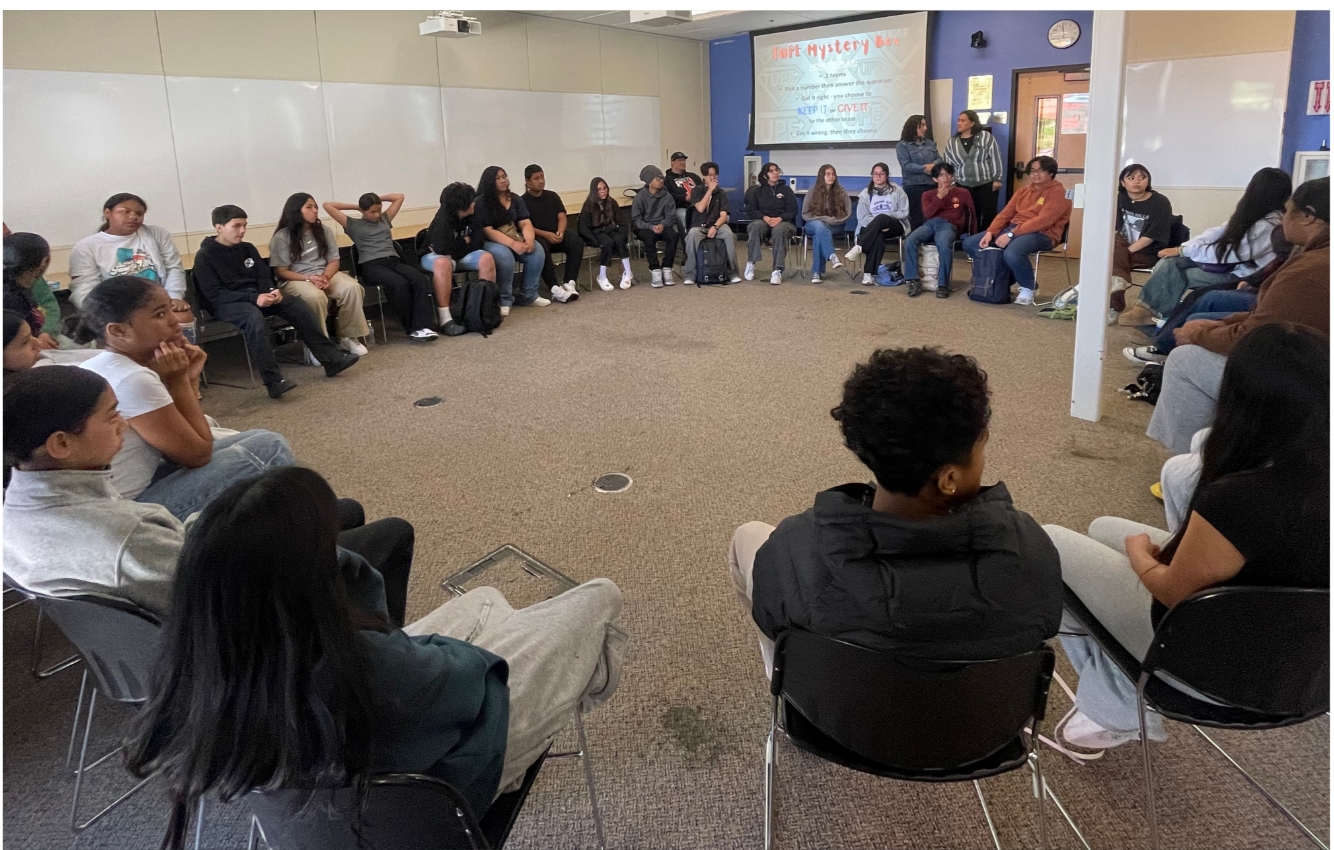
A restorative circle is a structured dialogue process that creates opportunities for participants to share perspectives, listen to one another, strengthen relationships, and address shared concerns.
Do restorative practices eliminate accountability?
No. Accountability is central to restorative practices. Participants are encouraged to understand the impact of their actions, take responsibility, and explore meaningful ways to address harm.
Can restorative practices be customized for our organization or community?
Restorative approaches can be adapted to different environments, populations, needs, and goals. Contact PCRC to explore what may be appropriate for your circumstances.
How much do restorative services cost?
Costs and funding arrangements vary depending on the scope of services, participant needs, and available programs. Contact PCRC to discuss your options.
Building a Culture of Peace
Restorative practices and conflict transformation create opportunities for change that extend beyond a single conversation, incident, or intervention.
Through this work, we aim to:
Strengthen relationships, trust, and belonging.
Encourage personal and collective accountability.
Prevent conflict and harm from escalating.
Develop communication and problem-solving skills.
Support healing and meaningful repair.
Strengthen community resilience and protective factors.
Foster safer, healthier, and more connected environments.
Build sustainable capacity for peacebuilding.
By investing in relationships and addressing the underlying conditions that contribute to conflict, we help create opportunities for lasting change.
Creating Opportunities for Healing, Growth & Connection
Building peace requires more than responding to conflict. It requires investing in relationships, creating opportunities for accountability, and equipping people with the tools to navigate challenges together.
Whether you're strengthening a school community, addressing organizational challenges, or supporting community well-being, PCRC can help you explore restorative approaches that create meaningful and lasting change.